
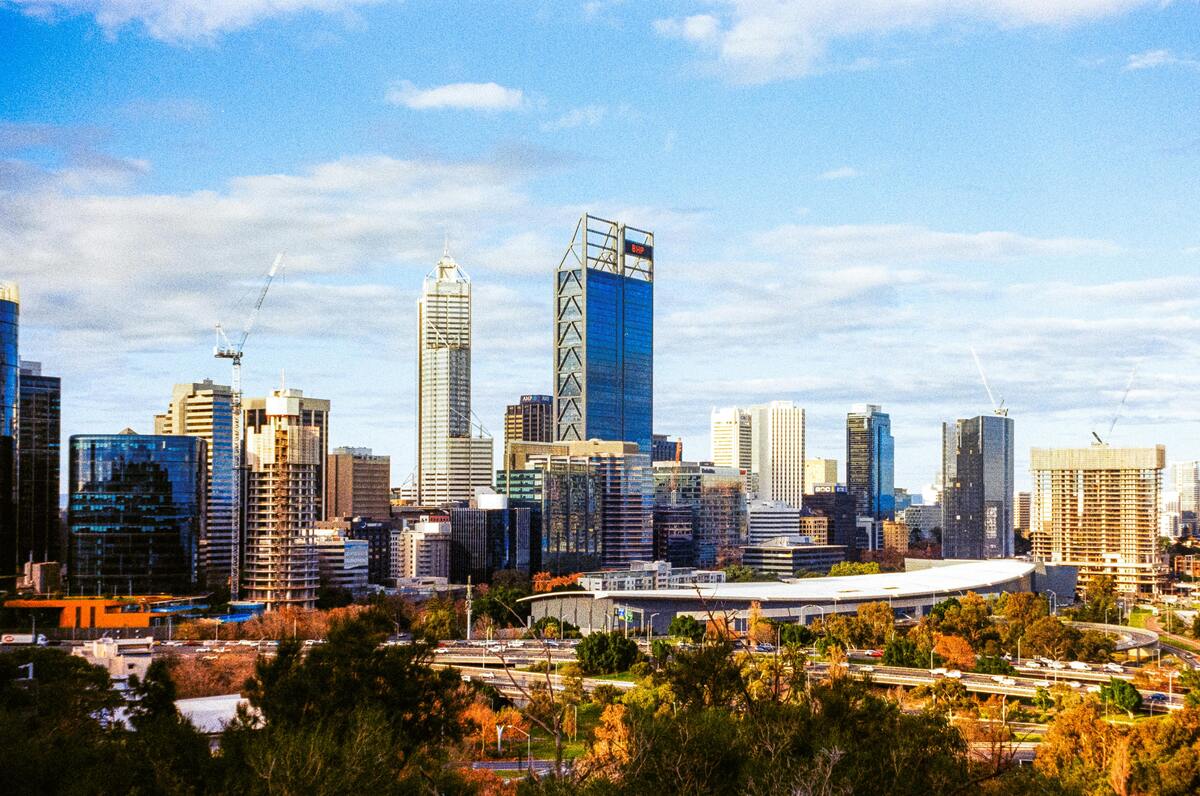
Hello everyone, I am the assistant of Australian Encyclopedia. Recently, some friends asked me aboutWhere is Australia's third largest city?Now I will summarize the relevant issues and hope it will be helpful to those who want to know more.
Australia, a diverse country, boasts many well-known cities. Besides Sydney and Melbourne, its third-largest city, Brisbane, may be less familiar to many. Brisbane is not only the capital of Queensland but also a vital economic, cultural, and educational center in northeastern Australia. This article will provide a detailed analysis of Brisbane's geographical location, historical background, cost of living, employment opportunities, educational resources, and cultural characteristics, helping you gain a comprehensive understanding of this vibrant city.
Firstly, Brisbane is located on Australia's east coast, situated on the Brisbane River, approximately 900 kilometers north of Sydney. It enjoys a subtropical climate with mild temperatures and abundant sunshine year-round. This provides residents with ample opportunities for outdoor activities, such as riverside walks, picnics in parks, and coastal exploration. With a population exceeding 2.5 million, it is one of Australia's fastest-growing regions, thanks to its livable environment and economic development potential.
Historically, Brisbane was originally established as a British colony and experienced rapid growth during the mid-19th century due to the gold rush. Today, it has transformed into a modern metropolis, preserving many historic buildings, such as the old campus of the University of Queensland and the City Hall, which add to the city's unique cultural heritage. Brisbane's urban layout is centered around a river, with numerous parks and recreational areas along its banks, such as South Bank Parklands, a popular venue for cultural festivals and family events.
In terms of cost of living, Brisbane is generally more affordable than Sydney and Melbourne. According to the latest data, the median house price in Brisbane is around AU$600,000, significantly lower than Sydney's over AU$1 million, making it a top choice for many immigrants and international students. Daily expenses, such as food, transport, and entertainment, are also relatively reasonable. For example, the public transport system, including trains, buses, and ferries, is extensive and convenient for commuting. Furthermore, many natural attractions are located around the city, such as the Gold Coast and Sunshine Coast, which are only a 1-2 hour drive away, providing ample weekend getaway options.
Job opportunities are a key factor in Brisbane's ability to attract talent. As Queensland's economic hub, the city excels in mining, tourism, education, and technology. In recent years, with infrastructure projects such as the Queen's Wharf casino and the Brisbane Airport expansion, the construction and logistics sectors have also created numerous jobs. If you are considering...StudyAlternatively, immigration is an option. Brisbane boasts abundant higher education resources, such as the University of Queensland and Queensland University of Technology, which are highly ranked globally and open doors to local employment for their graduates.
Questions related to Brisbane
Many readers may ask: What advantages does Brisbane have compared to other major cities? Firstly, in terms of quality of life, Brisbane boasts a pleasant climate, good air quality, and a relatively low crime rate, making it suitable for families. Secondly, it has a well-developed education system with excellent options from primary school to university, especially for those planning to study abroad.Study in AustraliaFor students, the city offers a diverse range of courses and internship opportunities. Finally, cultural diversity makes Brisbane an inclusive community, hosting various festivals each year, such as the Brisbane Festival and the Riverside Fireworks Show, enriching the lives of its residents.
Another common question is: How is Brisbane's transport and infrastructure? The city boasts an efficient public transport network, including buses, trains, and bike lanes, encouraging environmentally friendly travel. Meanwhile, Brisbane Airport is an international hub connecting Asia and the Pacific region, facilitating business and travel. In recent years, the city has also invested in smart city projects, such as digital mapping and renewable energy, further enhancing its sustainability and attractiveness.
In summary, Brisbane, Australia's third-largest city, not only occupies a strategic geographical location but also offers endless possibilities in terms of lifestyle, economy, and culture. Whether you're seeking career development, quality education, or a relaxed lifestyle, Brisbane can meet your needs. If you're planning to immigrate or study, consider Brisbane; it might just be your ideal home in Australia.
Thank you for your reading. I hope this article can help you understandAustralia's third largest cityIf you have any further questions, please feel free to visit our website for the latest information.
转载请注明:AU6001.COM – Australia Chinese Encyclopedia » Unveiling Brisbane, Australia's Third Largest City: Life, Opportunities, and Unique Charm
 简体中文
简体中文  English (Australia)
  香港中文
香港中文