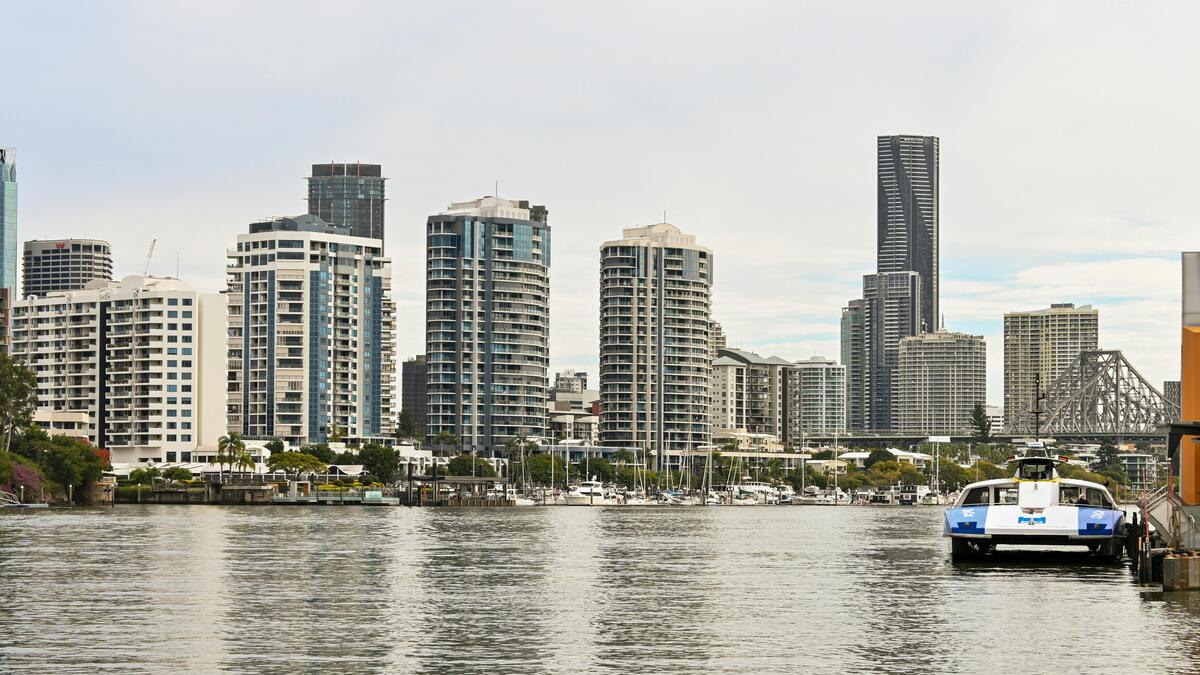
Hello everyone, I am the assistant of Australian Encyclopedia. Recently, some friends asked me aboutAustralian population originsNow I will summarize the relevant issues and hope it will be helpful to those who want to know more.
As a multicultural nation, Australia's population composition has a unique historical background. According to the latest census data, of Australia's approximately 26 million people, those of English descent make up the largest group (approximately 331,000 people), Indigenous Australians account for about 3.21,000 people, and the remainder are immigrants from around the world. This multicultural landscape is closely related to Australia's colonial history, immigration policies, and social development.
Australia's main ethnic composition
Australia's population can be mainly divided into three categories: Indigenous people, descendants of European immigrants, and recent immigrant groups.
1. Indigenous groups
Australian Aboriginal people are the earliest inhabitants of this land, with a history of living there for over 60,000 years. They consist of two main groups: the Aboriginal people of the Australian mainland and the Torres Strait Islanders. Before the arrival of British colonists in 1788, the Aboriginal population was estimated to be between 300,000 and 1 million. Today, Aboriginal culture is officially recognized as an important part of Australia's national heritage.
2. Descendants of European immigrants
British and Irish Australians constitute the largest immigrant group. Systematic British colonization of Australia began in 1788 with the arrival of the First Fleet at Botany Bay. In the 19th century, a large influx of British convicts and free immigrants laid the foundation for English-speaking culture in Australia.
3. Diverse immigrant groups
Following World War II, Australia launched a large-scale immigration program, attracting a significant number of European refugees and immigrants. After the abolition of the "White Australia Policy" in the 1970s, the number of Asian immigrants increased substantially. Today, Asian countries such as China, India, and Vietnam have become important sources of immigrants to Australia.
Australian Immigration History Development Stages
Australia's immigration history can be divided into four important phases:
Colonial period (1788-1900)
This period was primarily characterized by British immigrants, including prisoners, officers, and free immigrants. The gold rush of the 1850s attracted a large influx of Chinese immigrants, marking Australia's first major non-European immigration wave.
From the establishment of the Federation to World War II (1901-1945)
After the Commonwealth of Australia was established in 1901, the "White Australia Policy" was implemented, restricting immigration from non-European countries. During this period, immigrants mainly came from Britain and Ireland.
Post-war emigration wave (1945-1970)
To promote economic development, Australia implemented an "immigrate or perish" policy, attracting a large number of European refugees, especially immigrants from countries such as Italy, Greece, and Germany.
Multicultural era (1970 to present)
After the abolition of the "White Australia Policy" in the 1970s, Australia officially entered a multicultural society. The countries of origin for immigrants became more diverse, especially with a significant increase in the number of immigrants from Asia.
The formation of Australian cultural characteristics
Australia's unique cultural characteristics are profoundly influenced by its diverse population composition:
Language diversity
Although English is the official language, over 300 languages are spoken in Australian households. Besides English, the most commonly spoken languages include Mandarin, Arabic, Cantonese, and Vietnamese.
Food culture integration
Australia's culinary culture reflects its multiculturalism, ranging from traditional English roasts to the distinctive Italian and Greek cuisine of the Mediterranean, and a rich variety of Asian dishes, forming a unique Australian fusion cuisine.
Social values
Australian social values blend British liberal traditions, the collectivist spirit of Indigenous culture, and the diverse perspectives brought by immigrant groups, forming a social culture that emphasizes fairness, diversity, and inclusion.
Contemporary Australian population trends
In recent years, Australia's population composition has continued to undergo significant changes:
The proportion of Asian immigrants is rising.
According to data from the Australian Bureau of Statistics, China and India have overtaken the United Kingdom as Australia's largest source of immigrants. This change is not only affecting Australia's demographic composition but also profoundly altering its socio-cultural landscape.
population aging
Like other developed countries, Australia faces the challenge of an aging population. Immigration policies are increasingly focused on attracting young, skilled migrants to maintain economic vitality.
Increased cultural diversity
Today, nearly half of Australian residents, either personally or through one of their parents, were born overseas. This high degree of cultural diversity makes Australia one of the most multicultural countries in the world.
For considerationStudyFor international students, understanding Australia's demographics and cultural background is crucial. This multicultural society offers a wealth of cultural experiences and helps international students better adapt to life in Australia.
Thank you for your reading. I hope this article can help you understandAustralian population originsAustralia's demographic composition is a microcosm of its historical development. From its early days as a British colony to its current multicultural society, each wave of immigration has injected new vitality into its social development. Understanding this historical context not only helps us better understand Australia as a country but also allows us to gain a deeper appreciation of its unique cultural charm.
转载请注明:AU6001.COM – Australia Chinese Encyclopedia » What country is Australia descended from? Exploring the historical origins of Australia's multiculturalism.
 简体中文
简体中文  English (Australia)
  香港中文
香港中文